


SE22 garden care tips from trusted Dulwich gardeners
Posted on 19/10/2026
If you live in SE22, you already know the garden can feel like a moving target. One week it is bright and manageable, the next it is full of fast-growing hedges, damp corners, and a lawn that looks tired after a bit of London weather. These SE22 garden care tips from trusted Dulwich gardeners are written to help you get ahead of the usual problems without turning your weekends into a second job.
Truth be told, good garden care is rarely about one dramatic fix. It is usually the steady stuff: the right timing, sensible pruning, decent soil care, and knowing when a small problem is better handled early. In Dulwich, that matters even more because gardens often face a mix of shade, dry spells, wind, and compact urban growing conditions. This guide walks through the practical side of keeping things healthy, tidy, and enjoyable all year round.
For readers who want support beyond DIY, it also helps to know where specialist help fits in. Services like regular garden maintenance in Dulwich SE21 or a broader range of gardening services can take the pressure off when jobs stack up. But even if you prefer to do most things yourself, the advice below will help you work more confidently and avoid common mistakes.

Why SE22 garden care tips from trusted Dulwich gardeners Matters
SE22 gardens are often more precious than large. That sounds obvious, but it changes everything. A small garden, courtyard, or narrow side return can become cluttered quickly if you skip routine care for even a few weeks. Weeds creep in, shrubs bulk out, and hard surfaces start to look grubby before you notice.
Trusted Dulwich gardeners tend to think in terms of prevention. That means lighter, more regular upkeep rather than occasional heavy-handed rescue work. The result is a garden that stays easier to manage, more attractive, and far less expensive to recover later. It also means fewer stressful surprises in spring and autumn, which, let's face it, are the seasons when people suddenly realise the jasmine has swallowed half the fence.
There is also a local angle. SE22 gardens often deal with nearby trees, patchy light, wind exposure, and a mix of clay-heavy or tired soil conditions. That combination can be frustrating if you treat every planting area the same way. The best garden care advice for this postcode is not generic. It is about reading the space properly.
Expert summary: If you want lasting results in SE22, focus on steady maintenance, soil health, and planting choices that suit your actual conditions rather than the idealised version of your garden in your head.
How SE22 garden care tips from trusted Dulwich gardeners Works
Good garden care works through simple systems. You observe, you correct, and you repeat. Not glamorous, but it works.
In practice, trusted gardeners start by looking at the basics: soil condition, drainage, sunlight, growth patterns, and how much time the garden realistically gets from you. From there, they build a care routine around mowing, trimming, feeding, watering, weeding, and protecting the plants most likely to struggle.
For example, a lawn might need more than mowing. If the soil is compacted, the grass will keep looking weak no matter how neatly you cut it. In that case, a more considered approach to lawn care in Dulwich SE21 makes much more sense than simply chopping the top off every week. Same with hedges: trimming is useful, but if the hedge is overgrown, or the shape is wrong, you may need a proper plan rather than a quick tidy-up.
That is why professional garden care is often layered. You might use one method for lawns, another for shrubs, another for seasonal planting, and another for hard landscaping areas. It is not complicated once broken down, though the first look at a neglected garden can feel a bit like a deep breath moment.
Key Benefits and Practical Advantages
There are some very ordinary, very useful benefits to better garden care, and they add up fast.
- Less rework: Small, regular jobs are easier than tackling a jungle later.
- Healthier plants: Correct pruning, feeding, and watering reduce stress on shrubs and flowers.
- Better curb appeal: A neat front or rear garden makes the whole property feel more cared for.
- Safer outdoor space: Clear paths, stable edging, and managed growth reduce trip hazards and awkward access.
- Improved use of space: When the structure is sorted, even a compact SE22 garden feels bigger.
- Lower long-term cost: Preventing decline is usually cheaper than restoring a damaged garden.
A quieter but important benefit is confidence. Once you know what needs doing and when, garden care becomes less of a guess. You stop reacting to every leaf drop or weed flush and start working with the seasons instead.
If you are also thinking about structural features, it can help to match care with the right surface or boundary treatment. For instance, borders and screens often work best when supported by well-planned landscaping services, while a tired patio might need attention through patio cleaning in Dulwich SE21 before the rest of the garden can really shine.
Who This Is For and When It Makes Sense
This kind of garden care is useful for a wide range of people:
- Homeowners who want a tidy garden without losing whole weekends to maintenance
- Busy families trying to keep outdoor space safe and usable
- Landlords and property managers who need consistent presentation
- Older residents who prefer reliable support with physical tasks
- New homeowners who are still learning how the garden behaves through the seasons
- Anyone with a garden that feels out of control and needs a sensible reset
It makes particular sense if your garden shows one or more of these signs: patchy lawn growth, hedges pushing into walkways, drainage puddles, messy hard surfaces, repeated weeds, or plants that look fine one month and miserable the next. That last one is common, and usually fixable. The trick is to stop assuming the issue is random.
Sometimes the right move is to call in help for specific jobs. A tree blocking too much light may need expert attention, while an awkward boundary might benefit from fencing services in Dulwich SE21. Small decisions, but they can transform how manageable the whole space feels.
Step-by-Step Guidance
1. Start with a proper walk-through
Take ten minutes and look at the garden as a whole. Not just the bits you dislike. Check lawns, borders, hedge lines, fences, paving, pots, and shaded corners. Notice where water sits after rain, where moss builds up, and which plants are crowding others. A quick photo on your phone can help too. It is surprising how often you spot a pattern later.
2. Separate urgent jobs from routine upkeep
Urgent jobs are the ones that affect safety, access, or plant health. Routine upkeep includes mowing, deadheading, light pruning, and weeding. Keep the urgent stuff in view first. A leaning branch, blocked drain, or a hedge that has narrowed the path needs faster action than a few untidy edges.
3. Deal with soil before decoration
Pretty planting is nice, but weak soil can quietly sabotage everything. If the soil is thin, dry, heavy, or full of old roots, improve that first. A smarter compost routine and regular mulching usually do more than another bag of fancy plants. For readers interested in this part of the process, organic recycling for better soil quality is a helpful topic to explore.
4. Set a mowing and edging rhythm
Lawns need consistency more than drama. During active growth, cut a little and often rather than taking too much off at once. Keep edges neat so the whole garden looks more intentional. If the lawn is uneven, thin, or full of weeds, mowing alone will not solve it. In that case, a stronger lawn mowing service combined with proper aftercare is usually the smarter route.
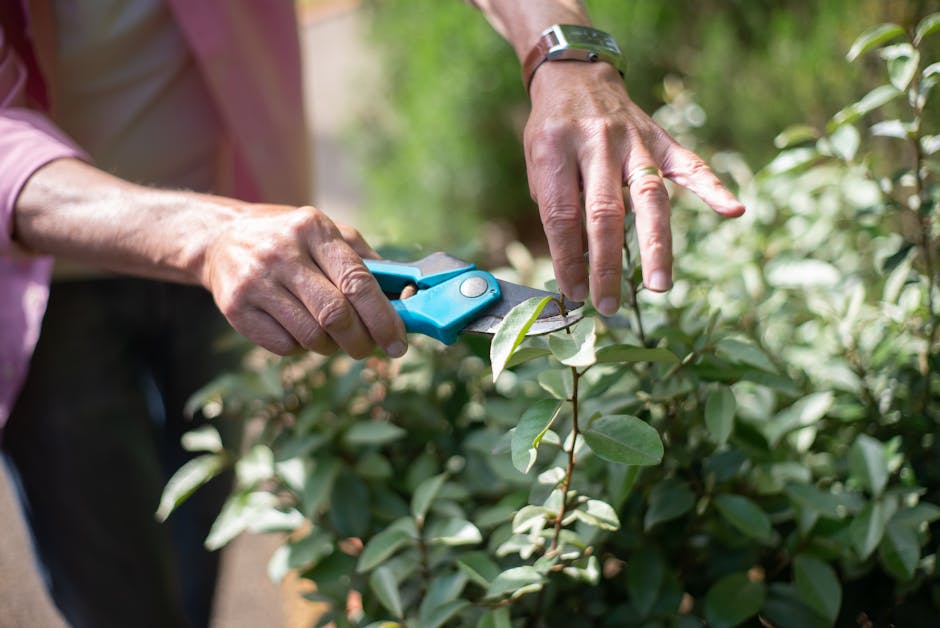
5. Trim hedges and shrubs with shape in mind
Shape matters. A hedge that is wider at the top than the base will struggle over time because the lower sections lose light. Keep hedges slightly narrower at the top, and do not wait until they become unmanageable. If privacy is the main goal, you may also want to compare hedge choices before planting or reshaping; the guide on quick-growing hedge choices is useful for that.
6. Clear and refresh hard surfaces
Paths, decking, and patios carry a lot of the visual load in smaller gardens. When they are dirty, the entire space feels more tired than it really is. A clean terrace or seating zone instantly changes the mood. You notice the same garden feels brighter at 9am on a damp spring morning once the paving is actually clean. Weirdly satisfying, too.
7. Protect the bits that make the garden usable
If your garden has a seating area, fence, or deck, care for those features as part of the whole system. A beautiful border beside a worn-out fence can look unfinished. A freshly planted bed near a slippery patio can be annoying rather than inviting. Good garden care is not just plant care. It is the full outdoor experience.
Expert Tips for Better Results
Here are the practical habits trusted Dulwich gardeners rely on when they want better results without unnecessary fuss.
- Work with the season, not against it. Spring growth wants more attention; winter wants protection and restraint.
- Use mulch generously but sensibly. It helps retain moisture and suppress weeds, but do not pile it against stems.
- Water deeply, not constantly. Shallow watering encourages weak roots. A proper soak is usually better.
- Prune with a reason. Remove dead, diseased, or badly placed growth rather than clipping for the sake of it.
- Notice microclimates. The sunny back corner and the windy fence line are not the same habitat. Treat them differently.
- Leave room for growth. New plants often look sparse at first. Overcrowding is one of those mistakes people regret by midsummer.
There is also a human tip here: do not aim for perfection on the first pass. A garden usually improves in layers. First you get it under control, then you refine. That is how good spaces are actually built.
If you are working on a more ambitious refresh, a more joined-up approach can help. Some gardens need new structure, paths, or planting design, which is where landscaping in Dulwich can make sense alongside routine care. If trees are part of the issue, proper pruning or removal planning should be handled carefully and at the right time.
Common Mistakes to Avoid
Most garden problems are not caused by one huge error. They come from a bunch of small missteps that keep repeating. Here are the usual suspects.
Cutting too much, too late
When plants are left until they are awkwardly large, people often try to fix the whole thing in one brutal session. It is tempting. Also risky. Many shrubs and hedges respond better to gradual correction than a severe chop.
Ignoring drainage signs
Puddles, moss, and sour-smelling soil are warnings, not just annoyances. If water sits in one area, think about the cause before planting more in the same spot. Sometimes the issue is compaction, sometimes shade, sometimes the shape of the ground.
Choosing plants for looks only
A plant can be lovely and still be wrong for your garden. Windy sites, shade, pet traffic, and narrow borders all matter. One excellent design principle is to match the plant to the place, not the other way around.
Letting weeds get established
A tiny weed is a two-minute job. A mature weed patch is a mood. If you want practical help with this, the advice in managing weeds with ease can save a lot of effort later.
Forgetting the hardscape
People often focus on plants and forget patios, decks, edging, and fences. Then the whole space still looks neglected. A tidy garden is usually a balanced one.
Tools, Resources and Recommendations
You do not need a van full of equipment, thankfully. Most SE22 garden care is easier with a sensible few tools and a bit of organisation.
| Task | Useful tools | Practical note |
|---|---|---|
| Mowing and edging | Reliable mower, edging shears, rake | Cut little and often for cleaner results |
| Pruning and hedge care | Secateurs, loppers, hedge trimmer, gloves | Keep blades sharp and clean |
| Weed control | Hand fork, hoe, mulch, bucket | Remove roots where possible, not just tops |
| Soil improvement | Compost, bark mulch, garden fork | Feed soil before you feed the display |
| Hard surface care | Brush, pressure washer if suitable, scraper | Check the surface type before using high pressure |
For people who prefer to keep things orderly with less hassle, structured upkeep services can help. A seasonal visit from trusted gardeners is often enough to keep the garden from drifting into chaos. And if your garden includes a decked zone, a proper refresh can be supported by decking services in Dulwich SE21 rather than piecemeal repairs.
One more useful resource is your own calendar. A simple monthly reminder for mowing, weeding, trimming, and checking drains does more for most gardens than expensive gadgets ever will. There, I said it. Slightly boring, very effective.
Law, Compliance, Standards, or Best Practice
Garden care in London is not usually heavy on regulation, but there are still a few sensible standards and responsibilities worth keeping in mind.
If you are pruning or removing trees, be cautious about ownership, nearby boundaries, nesting birds, and any protected habitat concerns. For anything larger or uncertain, specialist advice is the safer approach. Tree work should be handled carefully, especially where branches overhang neighbours or public areas. If the tree is becoming a problem, professional tree surgery in Dulwich SE21 is the kind of job best assessed properly rather than improvised.
For hedges, it is good practice to trim in a way that preserves plant health and does not create bare lower sections. For lawns, avoid cutting too short in hot or dry spells. For hard landscaping, be mindful of drainage and slip risk. And for any work near fences or shared boundaries, a calm, neighbourly check-in can save a lot of awkwardness. Not every issue needs to become a drama.
Best practice also means using the right method for the right material. Pressure washing can help some patios, but it is not ideal for every surface. Soft washing or manual cleaning may be better in some cases. The same goes for planting: what thrives in a bright, sheltered Dulwich courtyard may fail in a windy or shaded garden just a few streets away.
Options, Methods, or Comparison Table
One of the most useful decisions in garden care is choosing between a quick tidy, regular maintenance, or a full refresh. They are not the same thing, even if they overlap a bit.
| Approach | Best for | Pros | Limitations |
|---|---|---|---|
| Quick tidy | Small reset before visitors or events | Fast, cheap, immediate visual lift | Does not solve deeper issues |
| Regular maintenance | Most SE22 gardens | Prevents neglect, keeps things manageable | Needs consistency |
| Seasonal overhaul | Overgrown or tired gardens | Big transformation, better structure | Takes more time and budget |
| Specialist intervention | Trees, fencing, decking, drainage, difficult access | Safer and more efficient for complex jobs | May not be necessary for simple upkeep |
For many householders, the best answer is a blend: keep up with maintenance, then bring in help for heavier jobs. That might mean pairing a small care routine with hedge trimming in Dulwich SE21 when the boundary needs a professional finish, or booking patio cleaning when the outdoor seating area has gone dull and slippery.
Case Study or Real-World Example
Here is a realistic SE22 scenario. A rear garden has a narrow lawn, an overgrown hedge along one side, a patio with green staining, and a couple of borders that started well but got swallowed by weeds. Nothing is broken, exactly. It just feels a bit defeated.
The first step is not to rip everything out. A trusted gardener would usually start by restoring access and visibility: clear the weeds, reduce the hedge to a manageable size, and clean the patio so the space feels usable again. Then they would look at the lawn. If it is patchy, mowing alone will not solve it, so some lawn care attention is needed. Only after that would planting be reconsidered.
In a case like this, a client often wants the garden to feel bigger. That usually happens once the edges are defined and the clutter is gone. The space has not changed much physically, but it suddenly feels calmer. You can hear the birds again. You can see the back fence. It sounds simple because it is simple, though not easy if you are doing it all yourself after work on a Wednesday evening.
That kind of phased approach is why experienced gardeners often recommend starting with structure before style. It saves money and makes the improvements stick.
Practical Checklist
Use this as a straightforward seasonal check.
- Walk the garden and note problem areas
- Clear visible weeds before they seed
- Mow the lawn at an appropriate height
- Trim hedges and shrubs before they become unmanageable
- Check for drainage issues after rain
- Refresh mulch or compost in tired borders
- Clean patios, paths, and seating zones
- Inspect fences, trellises, and boundary features
- Remove dead or diseased plant material
- Reassess plant placement in shaded, windy, or dry spots
- Schedule specialist help for trees, heavy pruning, or larger repairs
If you want a calmer, easier-to-maintain garden, this checklist is a solid place to start. Small wins count. They really do.
Conclusion
The best SE22 garden care tips from trusted Dulwich gardeners are practical, local, and steady. They are built around the idea that a garden stays beautiful when it is cared for in the right order: structure first, soil next, then planting, then regular upkeep. That approach works in compact city gardens, family spaces, and more ambitious outdoor rooms alike.
Whether you are tackling weeds, restoring a lawn, reshaping hedges, or simply trying to make the space feel less overwhelming, the goal is the same: create a garden that is easier to live with and more enjoyable to spend time in. That is the real win, if we are honest.
If your garden is starting to feel like too much to keep on top of, a trusted local team can help you get back to a manageable baseline without overcomplicating the process.
Get a free quote today and see how much you can save.


With his gardening expertise, Grant is capable of crafting informative articles on landscaping, lawn care, and garden maintenance, helping hundreds of individuals enjoy the garden they've longed for.