


Local gardeners Dulwich experts for Dulwich Park care
Posted on 11/10/2026
If you care about a garden in Dulwich and want it to stay neat, healthy, and park-worthy, the right help makes all the difference. Local gardeners Dulwich experts for Dulwich Park care understand how to keep planting schemes tidy, lawns resilient, hedges controlled, and borders looking properly looked after through the seasons. That matters whether you manage a private garden, shared outdoor space, or simply want your plot to reflect the same calm, well-kept feel people enjoy around Dulwich Park.
Truth be told, a beautiful garden is rarely about one dramatic makeover. It is usually about steady maintenance, sensible planting choices, and small jobs done on time. The good news? A local team can spot issues early, work with the weather, and adapt care to the way Dulwich gardens actually grow, not just how they look on paper.
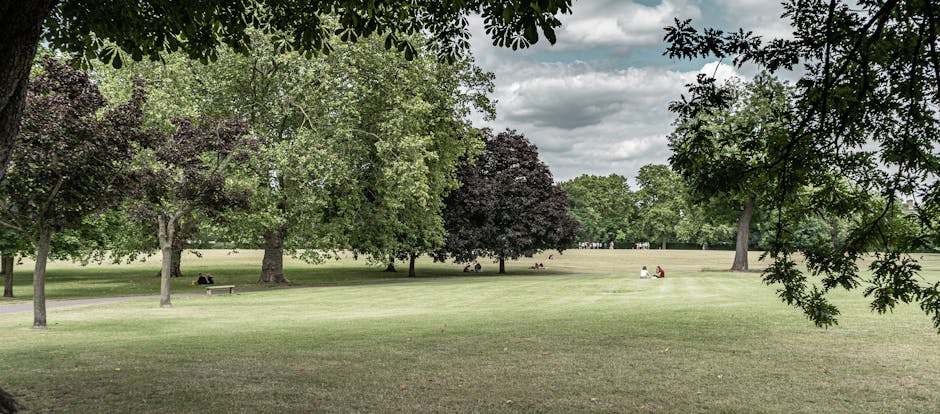
Why Local gardeners Dulwich experts for Dulwich Park care Matters
Dulwich has a particular rhythm. Mature trees, shaded corners, boundary hedges, and exposed patches can all exist on the same street. A gardener who works locally understands that one side of a garden may dry out quickly while another stays damp for days after rain. That local awareness is not a small detail; it shapes everything from mowing frequency to plant choice.
Dulwich Park itself sets a kind of standard in people's minds. It signals order, softness, and seasonal interest without feeling overdone. Home gardens and managed grounds nearby often borrow from that same aesthetic: clean edges, balanced planting, healthy turf, and enough structure to look good even in the quiet months. If you want that result, local gardeners can help translate the park-like feel into a realistic maintenance plan.
There is also the matter of continuity. A regular local team is more likely to notice slow changes: moss building up in a shady lawn, a hedge leaning after wind, or compacted soil around a path. Those things are easy to miss until they become a nuisance. And once you are on the back foot, everything takes longer. Garden care is a bit like laundry in that sense. Leave it too long and the pile grows, no matter how organised you feel.
If you are comparing support options, a broad service page such as gardening services in Dulwich is a sensible place to start, while more specific help like routine garden maintenance or lawn care in Dulwich can be useful when the main issue is ongoing upkeep rather than a full redesign.
How Local gardeners Dulwich experts for Dulwich Park care Works
Good park-style care starts with observation. A competent gardener will not rush in with a mower and call it done. They will look at the soil, the light, the drainage, the condition of the grass, the shape of hedges, the planting density, and the way water moves through the space. That first read of the garden decides the rest.
From there, the work usually falls into a few practical categories:
- Routine maintenance such as weeding, pruning, edging, deadheading, and debris removal.
- Seasonal care including planting, feeding, aerating, cutting back, and winter protection.
- Structural jobs like hedge trimming, tree work, fencing, or replacing tired surfaces.
- Presentation work such as improving borders, refreshing lawns, cleaning patios, and shaping the overall layout.
In many gardens, the trick is not doing more. It is doing the right things in the right order. For example, cutting a hedge before tidying the border beneath it can leave you double-handling the mess. Small efficiency gains matter, especially when the garden is large or has several different zones. Around a park-adjacent setting, the aim is often calm, balanced, and easy-to-manage rather than busy and fussy.
Local teams also tend to work in practical cycles. A spring visit may focus on clearing winter damage and reawakening growth. Summer is often about control, watering strategy, and keeping everything presentable in heat. Autumn leans into cutting back, leaf clearance, and preparing beds for the colder months. Winter, by contrast, is all about protection and preventing avoidable damage. If you plan well, the garden never feels like it is constantly recovering from the previous season.
Key Benefits and Practical Advantages
The obvious benefit is a better-looking garden. But the stronger value is more practical than that. When care is consistent, plants stay healthier, problems are dealt with early, and the whole space becomes easier to enjoy. No one wants to spend Saturday morning wrestling with weeds that should have been handled six weeks ago.
Here are the advantages people notice most often:
- Healthier planting because pruning, feeding, and spacing are done with the season in mind.
- Better lawn performance through mowing, scarifying where needed, feeding, and sensible watering.
- Cleaner edges and borders which instantly make a space feel more cared for.
- Safer outdoor spaces since slippery patios, overgrown paths, and unstable branches can be addressed promptly.
- Less long-term cost because small issues are usually cheaper to manage than full repairs.
- More usable garden time which, honestly, is the whole point for most people.
There is a nice side effect too: a well-run garden tends to feel calmer. Not in a dramatic wellness-brochure way. Just genuinely calmer. You step outside, see neat lines, fresh growth, and a space that looks intentional, and your shoulders drop a bit. That counts.
Who This Is For and When It Makes Sense
This kind of local care suits a wide range of people. It is not just for large properties or high-maintenance show gardens. In fact, some of the most useful work happens in ordinary gardens that simply need a reliable hand.
You may benefit if you are:
- a homeowner who wants consistent upkeep without losing weekends to it
- a landlord or managing agent trying to keep an outdoor space presentable
- a family with a garden that has become too much to stay on top of alone
- a keen gardener who wants help with the bigger or heavier jobs
- someone planning a refresh after a busy season, storm damage, or long neglect
It also makes sense when the garden has mixed needs. Maybe the lawn is patchy, the hedge is out of hand, and the patio has green staining. That is where a joined-up approach helps, because separate fixes often leave the bigger picture untouched. A local team can combine services so the garden begins to work as one space again.
For properties where privacy or structure is part of the brief, it can be worth looking at hedge trimming alongside fencing solutions and even landscaping support. It depends on the garden, of course, but the right combination usually beats isolated jobs done in a rush.
Step-by-Step Guidance
If you are trying to organise Dulwich Park-style garden care properly, this is a sensible way to approach it.
- Walk the garden slowly. Notice where moss, weeds, bare patches, overgrowth, or poor drainage show up. Do this in daylight if you can. The garden tells you more than you think.
- Separate the jobs by urgency. Safety issues and plant health come first. A broken branch, a congested tree, or a slippery path should not wait behind cosmetic work.
- Define the outcome. Are you aiming for low-maintenance order, a more decorative finish, or a healthier family garden? The answer changes the plan.
- Match tasks to the season. For example, lawn care and border renewal often need different timing from hedge reduction or tree work.
- Book the right skills, not just general help. A gardener may be brilliant at planting but also need support from tree surgery specialists or patio cleaning professionals when the job goes beyond routine upkeep.
- Set a repeat schedule. The best results usually come from regular visits, not one heroic clear-out every six months.
- Review after one cycle. Check whether the garden stayed tidy, whether any plant choices struggled, and whether the maintenance plan feels realistic.
A small but important point: if you want a low-stress garden, build for maintenance first, beauty second. Or rather, beauty through maintenance. It sounds dull, but it works. And the results are calmer and better looking, which is nice.
Expert Tips for Better Results
Experienced local gardeners tend to focus on the details that save time later. That is where a lot of value sits. Here are some of the most useful habits.
1. Trim for shape, not only for size
Hedges and shrubs should be reduced with their natural growth habit in mind. If you only hack them back to fit a boundary, they may look thin or awkward later. For more refined shaping ideas, this guide to hedge trimming shapes is a useful complement to practical on-site care.
2. Keep lawns realistic
A Dulwich garden does not need a bowling-green lawn unless that is genuinely your brief. Sometimes the better move is improving density, drainage, and weed control rather than chasing an impossible showroom finish. A service focused on lawn mowing and lawn care often gives better long-term results than reactive patching.
3. Use planting that suits the site
Shady beds, windy corners, and dry borders each need a different approach. For inspiration, it helps to think beyond generic plants and choose species that cope with the actual conditions in your garden. Some gardeners also borrow ideas from posts like evergreen vines for shady spots or ground covers that suppress weeds.
4. Respect the seasons
Plants do not work to your calendar. Spring is not just for optimism and seed packets. It is also for recovery, structure, and preparation. Later in the year, winter prep matters more than most people realise. A little planning now can spare you a lot of damage later.
5. Keep paths and seating areas genuinely usable
Green algae on paving, blown leaves, and muddy edges all make a garden feel more tired than it really is. If you have a terrace or patio area, a proper clean can change the mood of the whole space. It sounds small, but the change is immediate.

Common Mistakes to Avoid
Most garden problems are not dramatic mistakes. They are small habits repeated until the garden starts to feel difficult.
- Waiting too long to prune. Once growth gets congested, cutting back becomes harder and sometimes less effective.
- Mowing too low. Short grass may look tidy for a week, then struggle in dry or shaded conditions.
- Ignoring drainage. Wet patches, moss, and weak growth often point to an underlying water issue.
- Using the wrong plant in the wrong place. Windy, dry, or shaded areas need tailored choices, not wishful thinking.
- Overloading the garden with features. Too much structure can make maintenance a chore and reduce flexibility.
- Assuming one big clear-up will solve everything. It helps, sure. But if the follow-up plan is poor, the mess returns. Gardening can be annoyingly honest like that.
Another common issue is treating trees and hedges as if they are just bigger shrubs. They are not. Mature growth often needs more careful handling, especially where safety, light, and boundary lines are involved. When the job is beyond light trimming, it is wiser to involve specialists rather than improvise.
Tools, Resources and Recommendations
Good results usually come from good basics. You do not need every tool on the market, and no one truly does. A tidy, well-maintained set of essentials is far more useful than a shed full of shiny things you rarely touch.
Useful tools and supports include:
- sharp secateurs for light pruning and deadheading
- hedge trimmers for controlled shaping
- a mower suited to lawn size and slope
- rakes and leaf tools for seasonal clearance
- gloves, kneelers, and eye protection for comfort and safety
- mulch or compost for improving beds and retaining moisture
For inspiration on choosing and using the right kit, gardening gear recommendations can help you think more practically about what actually earns its place. If you are trying to reduce ongoing labour, articles like low-stress garden ideas and organic soil improvement tips can also point you in the right direction.
One more thing: if your outdoor area includes a deck or paved sitting zone, the care plan should include surfaces as well as plants. A lot of gardens feel unfinished simply because the hard landscaping is tired. In those cases, decking services and ongoing patio cleaning can make a surprising difference.
Law, Compliance, Standards, or Best Practice
For garden care in Dulwich, the main thing is to work safely, responsibly, and in line with sensible UK practice. If the work involves trees, large branches, waste removal, tools with blades, or access near boundaries, it should be handled with care and proper judgement. Where permissions, ownership boundaries, or protected trees might be relevant, it is best to check before work starts rather than after. That is especially true in older London neighbourhoods where plots can be close together and tree cover can be significant.
From a best-practice perspective, reputable gardeners usually aim to:
- protect neighbouring properties and shared access areas
- avoid unnecessary damage to established plants
- work with seasonal plant needs rather than against them
- use safe lifting, cutting, and cleanup methods
- dispose of green waste properly and tidily
If there is any question about the safety of a tree, the stability of fencing, or the impact of major pruning, a cautious approach is the right one. Not glamorous, maybe. But sensible. And gardens reward sensible people.
Options, Methods, or Comparison Table
Different gardens need different levels of support. The table below shows the usual options in plain terms.
| Approach | Best for | Strengths | Limitations |
|---|---|---|---|
| Occasional tidy-up visits | Lightly maintained gardens | Flexible, simple, low commitment | Problems can build up between visits |
| Regular maintenance schedule | Busy households, rental gardens, shared spaces | Consistent appearance, early problem spotting | Requires planning and routine budget |
| Seasonal specialist work | Hedges, lawns, trees, or renovation projects | Better results for specific tasks | May need several trades or visits |
| Full garden refresh | Overgrown or tired outdoor spaces | Transforms layout and usability | More disruptive and usually more costly |
If you are unsure which route fits, start with maintenance. If the garden still feels awkward after a few cycles, then consider deeper changes such as landscaping, planting redesign, or better boundary treatment.
Case Study or Real-World Example
Here is a realistic example from the kind of job local gardeners often take on. A Dulwich homeowner had a modest back garden with a lawn, two mature shrubs, a narrow side path, and a patio that had gone patchy with algae. The garden was not a disaster, just tired. The lawn had thinned out in shade, the shrubs were blocking light, and the path felt slippery after rain. Nothing dramatic, but it was getting on top of them.
The first step was a tidy-up and reset: weed removal, border edging, basic pruning, and a proper clean of the hard surface. After that, the lawn was given a more realistic care plan rather than expecting it to perform like a sports pitch. The shrubs were reshaped so they still had presence without swallowing the path. A couple of low-maintenance ground covers were introduced where the shade was strongest.
What changed most was not a single plant. It was the balance. The garden became easier to walk through, easier to maintain, and nicer to sit in on a mild evening. The owners, by their own measure, went from avoiding the space to using it again. That is the real test, isn't it?
Practical Checklist
Use this quick checklist before booking or planning work.
- Walk the garden and note the worst areas first
- Decide whether you need maintenance, repair, or redesign
- Check whether lawns, hedges, trees, or paving need separate attention
- Think about light, shade, wind, and drainage on your plot
- List safety concerns such as slippery surfaces or overhanging branches
- Choose whether you want one-off work or regular visits
- Consider if planting changes would reduce future maintenance
- Make sure waste clearance is part of the plan
- Keep a note of seasonal jobs for the next visit
- Review the space after the work and adjust the schedule if needed
Expert summary: The best Dulwich garden care is steady, local, and tailored. Keep the maintenance simple, the planting appropriate, and the timing seasonal, and the whole space becomes far easier to live with.
Conclusion
Local gardeners Dulwich experts for Dulwich Park care are especially valuable when you want outdoor space to feel calm, tidy, and properly managed rather than simply "done." The local climate, mature planting, shaded corners, and everyday wear all ask for a more thoughtful approach than a generic tidy-up. With the right support, a garden can look polished without becoming high-maintenance, and that balance is what most people really want.
Whether your priority is lawn improvement, hedge control, better planting, safer paths, or a full seasonal reset, the smartest route is usually a consistent plan backed by local knowledge. Start with what matters most, keep the rhythm going, and do not be afraid to simplify. Gardens often improve fastest when they stop trying so hard.
Get a free quote today and see how much you can save.
And if you are standing in the garden right now, looking at the bits that need attention, take a breath. It is all workable. One good plan, then the next. That is usually enough.

With his gardening expertise, Grant is capable of crafting informative articles on landscaping, lawn care, and garden maintenance, helping hundreds of individuals enjoy the garden they've longed for.