


Emergency garden clearance Dulwich same day gardeners
Posted on 04/11/2026
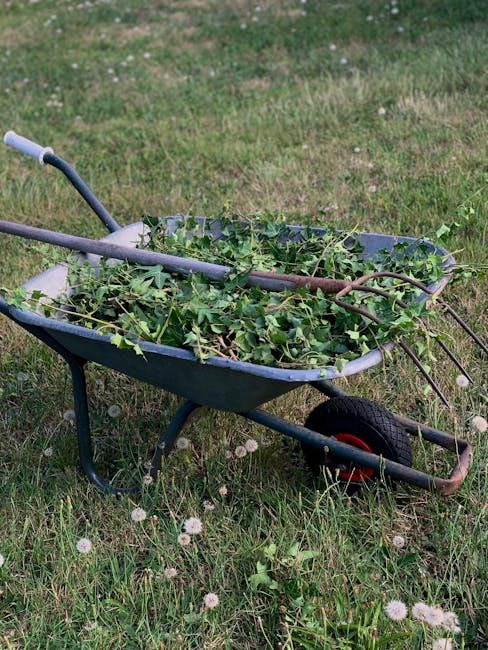
Emergency garden clearance Dulwich same day gardeners: fast, safe help when your garden needs sorting today
If your garden has suddenly tipped from "a bit untidy" into "we really need this fixed now", you are in the right place. Emergency garden clearance Dulwich same day gardeners are for those moments when fallen branches, storm mess, overgrown waste, broken planters, blocked access, or an unsafe-looking outdoor space cannot wait until next week. It might be a neighbour expecting visitors, a landlord needing a property made presentable, or simply a garden that has become awkward to move through after bad weather. Either way, speed matters, but so does doing the job properly.
This guide explains what emergency clearance actually involves, how same day garden teams usually work, what can be cleared quickly, what to expect on the day, and how to avoid common mistakes. If you want a quick answer: same day clearance is usually about restoring safety, access, and order first, then dealing with the finer details afterwards. That simple distinction saves a lot of stress.
Why Emergency garden clearance Dulwich same day gardeners Matters
Emergency clearance is not just about making a garden look neat. In real life, it often solves a much more immediate problem: blocked paths, unsafe surfaces, unstable piles of branches, hidden rubbish, or heavy overgrowth that has started to feel like a small hazard rather than a cosmetic issue. In a place like Dulwich, where gardens range from compact town spaces to larger family plots, delays can turn a manageable job into a bigger one very quickly.
Let's be honest, outdoor spaces can go from calm to chaotic after a windy night, a tenant move-out, or a few months of neglect. Wet leaves make surfaces slippery. Brambles can grab at clothing. A collapsed fence panel can create sharp edges or a route for pets to escape. Same day gardeners help you stop the mess from spreading into a bigger inconvenience.
There is also a practical presentation angle. If you are preparing for a property viewing, a family gathering, or a handover at short notice, a swift clear-up can change how the whole garden feels. That is why emergency clearance is often the first step before more detailed work such as regular garden maintenance in Dulwich, hedge tidying, or a broader redesign.
Expert summary: emergency garden clearance is about restoring safety, access, and control first. Once the urgent mess is gone, everything else becomes easier, cheaper, and far less stressful.
How Emergency garden clearance Dulwich same day gardeners Works
Same day garden clearance usually follows a simple but disciplined process. Good teams do not just turn up and start cutting things down at random. They assess the space, identify what is urgent, separate what can be removed immediately, and decide whether anything needs more specialist handling. That might sound obvious, but you would be surprised how often rushed jobs go wrong when there is no order to the work.
First comes the call or message. You describe the problem clearly: what happened, how much space is affected, whether access is easy, and whether there are obvious risks like broken glass, unstable branches, or blocked gates. A responsible gardener will ask a few pointed questions. That is a good sign. It means they are planning the job, not guessing.
On arrival, the team will normally walk the area, identify immediate hazards, and prioritise. Heavy waste gets separated from green waste. Reusable or salvageable material may be set aside. If there is a tree issue, for example, they may recommend a specialist service rather than forcing a quick fix. For anything involving damaged limbs or unstable trees, tree surgery support in Dulwich can be the sensible next step, especially where safety is involved.
From there, the work tends to move in stages:
- Clear access routes and remove obvious trip hazards.
- Cut back or remove overgrown sections that are causing obstruction.
- Collect and load waste into the right piles or containers.
- Rake, sweep, and leave the garden in a usable condition.
- Highlight any follow-up work needed for fencing, lawn, or hard surfaces.
That final step matters. A truly helpful same day gardener will not pretend every issue has been solved if it has not. Sometimes the emergency job is just the first phase. For example, a cleared border may reveal deeper weed problems, and a storm-damaged corner may need later fencing repairs in Dulwich or a more considered landscaping plan.
Key Benefits and Practical Advantages
The biggest advantage is obvious: speed. But there is more to it than that. Fast response is useful because outdoor clutter has a way of getting in the way of everything else. A blocked side return becomes awkward. A messy patio stops being usable. A weed-choked lawn starts to look forgotten. Clearing early prevents that gradual slide.
Another benefit is risk reduction. Loose branches, rotting timber, sharp broken pots, and overgrown access paths are all inconvenient, but they can also cause injuries. Children, older visitors, pets, and even tradespeople moving through the garden are safer when the space has been stripped back to the essentials.
There is also a mental benefit that people underestimate. A cleared garden feels lighter. You can breathe again. It sounds a bit dramatic, maybe, but when a back garden has become a source of low-level dread, seeing it reset in a few hours can be surprisingly relieving.
Practical advantages often include:
- faster restoration of access to doors, bins, sheds, and seating areas
- better visibility for checking damage after storms
- less chance of pests hiding in overgrown waste
- easier preparation for follow-on work like lawn care in Dulwich or turf recovery
- a more presentable outdoor space for guests, tenants, or buyers
If the garden includes patios or decking, a clearance visit may also reveal whether surfaces need cleaning or treatment. In that case, it can make sense to follow up with patio cleaning services or even decking work in Dulwich if the structure itself has suffered. One job often shows you the next sensible one. That is normal.
Who This Is For and When It Makes Sense
Emergency garden clearance is not only for dramatic situations. It suits anyone whose outdoor space has become unmanageable, unsafe, or time-sensitive. Homeowners use it after storms or before events. Landlords use it between tenancies. Letting agents use it when a property needs to be brought back to standard quickly. Families use it when a garden has become too messy for children to play in safely.
It also makes sense if you have inherited a garden that has been left alone for a while. Those jobs are rarely glamorous. They usually start with tangled growth, hidden rubbish, and the sort of weeds that appear to have made themselves at home. If that sounds familiar, you are not alone. It happens more than people admit.
Here are the moments when same day clearance is worth considering:
- after high winds or storm damage
- when access routes are blocked by branches or waste
- before a move-in, move-out, or property inspection
- when brambles, nettles, or self-seeded growth have taken over
- when broken fencing, toppled pots, or waste piles are creating risk
- when the garden simply cannot wait for a standard booking slot
It can also be useful for people who want to restart the garden after a long pause. A clear-out gives you the blank canvas. From there you can move into proper planning, maybe with help from landscaping specialists in Dulwich or a broader programme of gardening services. That is often the cleanest way to move from chaos to a garden you actually want to spend time in.
Step-by-Step Guidance
If you are arranging an urgent clearance, a little preparation on your side helps a lot. You do not need to do the heavy lifting yourself, but you can make the visit smoother and faster. That often means better value too.
- Describe the problem clearly. Say whether the issue is fallen waste, overgrowth, rubbish, broken hardscape, or storm damage. If there are pets or access constraints, mention them early.
- Send photos if possible. A few well-lit pictures can help the team judge the scale and bring the right tools. Morning light is often best; late evening shots can hide a lot.
- Clear a route to the garden. If you can safely move bikes, bins, or loose items out of the way, do it. Do not try to shift anything sharp, heavy, or unstable.
- Decide what must go and what should stay. If there are potted plants, garden ornaments, or timber you want preserved, mark them. A quick note avoids confusion.
- Ask what waste handling is included. You want to know whether cuttings, soil, bulky debris, and mixed waste are all being removed.
- Walk the garden with the team. Point out hazards such as hidden glass, thorny sections, or damaged panels. A two-minute briefing can save half an hour later.
- Check the finished space before they leave. Make sure access is restored, obvious hazards are gone, and the result matches the priority you discussed.
One good rule of thumb: if the garden contains more than green waste, treat it as a mixed clearance job rather than a simple tidy-up. That might include soil bags, old sleepers, broken pots, fence offcuts, or rotting timber. The clearer the brief, the cleaner the result.
Expert Tips for Better Results
From experience, the best emergency clearances are the ones that focus on the right things first. It sounds simple. It is simple. Yet many rushed jobs get distracted by small details before the real risks have gone. Cut the dangerous bit. Restore the route. Then clean the edges.
Here are a few practical tips that make a real difference:
- Prioritise access before appearance. A clean-looking garden that still blocks the path is not really solved.
- Separate urgent work from cosmetic work. A broken branch or collapsed panel comes before weeding the border.
- Keep an eye on moisture. Damp soil and wet leaves can make surfaces much slippier than they look.
- Think beyond the clear-up. If a hedge has grown wildly, a later visit for hedge trimming in Dulwich may be more effective than repeated emergency cuts.
- Use the reset window well. Once the space is clear, it is the ideal time to decide what should stay, what should be removed, and what should be redesigned.
If your garden is prone to weeds, do not ignore the chance to deal with the underlying cause. A rushed sweep will not solve recurring growth by itself. For more structured prevention, it can help to look at practical advice on managing weeds effectively. That kind of follow-on thinking saves you from the same emergency repeating itself two weeks later. Nobody needs that.
Another small but useful tip: ask for the cleared waste to be stacked in distinct piles before loading if you want to inspect anything valuable or reusable. Sometimes a piece of timber, a plant support, or a container can be saved. Not always. But sometimes, yes.
Common Mistakes to Avoid
Emergency work creates a lot of momentum, and that is exactly why people sometimes make poor decisions in the moment. The most common mistake is assuming that "fast" and "thorough" mean the same thing. They do not. Fast gets the space back under control. Thorough may require a second stage.
Other mistakes show up all the time:
- Not explaining the real problem. Saying "it's a mess" is true, but not very useful. Say what type of mess it is.
- Forgetting about hidden hazards. Glass, nails, loose wires, unstable edges, and buried debris matter a lot.
- Leaving wildlife considerations until the last minute. Overgrown areas can hide birds' nests or small animals. A careful gardener will check before cutting aggressively.
- Assuming all waste can be treated the same way. Green waste, timber, soil, and mixed rubbish often need different handling.
- Skipping follow-up maintenance. An emergency clearance is not a forever fix. Without maintenance, the same issue can creep back.
One more thing. If there are structural concerns - rotting posts, loose rails, unstable trees, cracked paving - do not treat them as ordinary garden clutter. That is where a specialist or a longer-term plan becomes necessary. You want a safe garden, not just a tidier one.
Tools, Resources and Recommendations
A proper emergency clearance crew will arrive with the right equipment for the job. The exact kit depends on the site, but the basics usually include cutting tools, waste bags or loaders, rakes, sweeping gear, gloves, and protective equipment. For heavier work there may be wheelbarrows, tarps, loppers, pruning tools, and machinery suited to specific tasks.
From a homeowner's point of view, you do not need to own most of that. What helps more is having a few simple things ready:
- photos of the problem area
- gate codes or access instructions
- a short list of items to keep
- details of any fragile planting nearby
- notes on pets, neighbours, or parking constraints
If your goal is to improve the space after the emergency is over, useful follow-on topics include lawn recovery, seasonal planting, privacy screening, and safer outdoor layout. For example, a tidy-up can be the moment you rethink seating zones, especially if the garden feels cramped or cluttered. If that is on your mind, the ideas in this seating guide can help you plan the next phase without rushing.
Where planting is concerned, it is often smart to wait until the space is genuinely stable again. If you are planning a new border after clearance, browse practical seasonal inspiration such as spring flower ideas or a softer, more sheltered design approach like evergreen vines for shade. That way you are not just clearing a problem, you are building toward a better garden.
Law, Compliance, Standards, or Best Practice
Garden clearance in the UK is usually straightforward, but best practice still matters. Waste should be handled responsibly, and any removal service should be clear about how green waste and mixed waste are managed. If there is bulky material, contaminated waste, or sharp debris, it should be separated and treated carefully rather than dumped into a general pile and forgotten about.
There is also a safety side. Practical standards in this kind of work are about sensible precautions: PPE, careful lifting, safe tool use, and avoiding unnecessary damage to structures or planting. If work involves trees, unstable branches, or access near overhead hazards, it is wise to slow down and assess properly. Speed is useful; recklessness is not.
In residential settings, neighbour awareness matters too. A same day clearance can mean noise, temporary access changes, or vehicles close to shared boundaries. A good team will try to keep disruption reasonable and leave the area clean. That is not a legal flourish, just decent practice. And honestly, good manners help nearly as much as good tools.
If the work reveals deeper garden issues, be cautious about pushing forward as though everything is a quick fix. Hedges, lawns, decks, patios, fences, and trees each have their own maintenance needs. That is one reason a broader, careful service plan often works better than a string of rushed one-offs. A clear garden is the starting point, not always the finish line.
Options, Methods, or Comparison Table
Not every urgent garden job needs the same method. Sometimes a light clear-up is enough. Sometimes you need full removal and follow-up work. The table below shows the practical difference.
| Method | Best for | What it usually includes | Typical outcome |
|---|---|---|---|
| Light emergency tidy | Small mess, recent weather debris, quick access issues | Collection of loose waste, raking, sweeping, basic cutting back | Safe, presentable, easy to move through |
| Full same day clearance | Heavy overgrowth, multiple waste piles, blocked areas | Removal of dense growth, bulky debris, mixed green waste, surface clearing | A garden that is reset and usable again |
| Emergency clearance plus follow-up | Storm damage, larger neglected gardens, structural concerns | Urgent first-pass clearance, then later hedge, lawn, fence, or landscaping work | A safer short-term result and a proper longer-term plan |
In many cases, the third option is the best value because it balances speed with proper workmanship. You deal with the urgent mess now, then give the rest of the garden the attention it deserves later. That is usually the calmest route, anyway.
Case Study or Real-World Example
Imagine a Dulwich homeowner returning after a week away to find a side return cluttered with broken pots, branches, windblown leaves, and a bramble patch leaning across the access route. The back gate still opens, but only just. The family wants the garden usable that evening because relatives are coming over the next day. Not ideal.
In that situation, the job would usually begin with access, safety, and waste separation. The team would remove the broken items, cut back the worst of the overgrowth, clear the pathway, and sweep the area so it feels like a route again rather than a storage corner. If they found a damaged fence panel near the boundary, they would flag that for later rather than pretending the clearance alone solved it.
The result is not a designer garden. It is something more useful in the moment: a tidy, safe space that can be walked through without worry. Then, after the emergency, the homeowner can plan the next step. Maybe that means more detailed landscaping, a fresh pass of lawn mowing, or a routine visit for ongoing maintenance. That progression is very common. Clear first, improve second.
And yes, sometimes the aftermath of a garden emergency is a bit embarrassing. There is usually a moment where you look at the pile and think, "How did it get this bad?" Fair question. Gardens have a habit of sneaking up on people.
Practical Checklist
Use this checklist before or during your emergency clearance booking:
- Identify the urgent problem: access, safety, storm damage, overgrowth, or waste.
- Take a few clear photos of the affected area.
- Note anything that must not be moved or cut.
- Check whether pets, children, or neighbours need special consideration.
- Ask whether mixed waste, green waste, and bulky debris are all included.
- Confirm access arrangements for gates, parking, and side passages.
- Request a quick inspection before work starts if the site is complex.
- Walk the area again after the job to confirm the priority issues are solved.
- Make a note of any follow-up work needed for trees, fences, lawns, patios, or hedges.
- Book maintenance sooner rather than later if the garden tends to relapse into mess.
If you want to keep the space easier to manage after the clearance, think about the small habits too. A quick sweep after windy days, trimming back fast growers, and staying on top of weeds all help. Not glamorous, but effective. Very effective.
Conclusion
Emergency garden clearance Dulwich same day gardeners are there to turn a stressful, messy, or risky outdoor space into something workable again, fast. The real value is not only in speed, but in judgement: knowing what to remove first, what to leave for later, and how to restore order without making the job more complicated than it needs to be.
Whether you are dealing with storm debris, an overgrown corner, a rushed property handover, or a garden that has simply got away from you, the smartest approach is the same. Clear the hazards, restore the space, then plan the next stage with a bit of breathing room. That is how a difficult garden becomes manageable again.
Get a free quote today and see how much you can save.
And if today feels a little overwhelming, that is alright. Most garden problems shrink once someone starts clearing the first pile.

With his gardening expertise, Grant is capable of crafting informative articles on landscaping, lawn care, and garden maintenance, helping hundreds of individuals enjoy the garden they've longed for.