


Dulwich Village gardeners for period property gardens
Posted on 20/11/2026
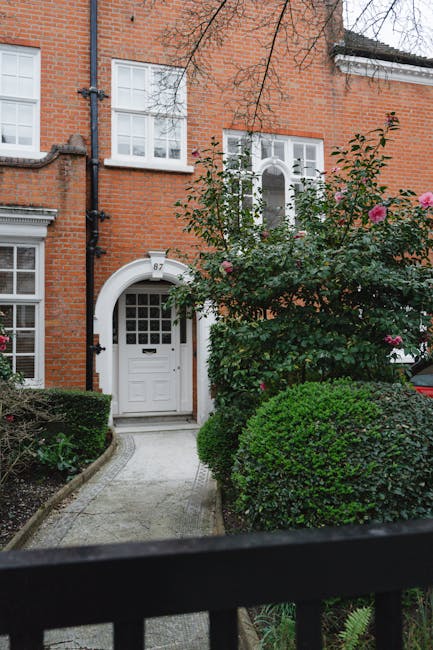
Dulwich Village gardeners for period property gardens: expert care for heritage outdoor spaces
If you own a period home in Dulwich Village, the garden is rarely just "outside space". It's part of the property's character. A clipped hedge, a gravel path, a mature yew, an old brick wall softened by climbers - these details matter. Choosing Dulwich Village gardeners for period property gardens means finding people who understand balance: neat but not sterile, refined but not over-designed, and always respectful of the house that frames the garden.
That can sound simple. It rarely is. Older gardens come with awkward corners, heavy shade, root competition, historic planting, and materials that need a gentler hand. In practice, good work here is less about dramatic change and more about careful judgement. This guide explains how period property garden care works, what to prioritise, common mistakes to avoid, and how to get results that look right in every season.
Why Dulwich Village gardeners for period property gardens Matters
Period gardens need more than routine tidying. They need a feel for proportion, scale, and restraint. A Victorian terrace garden, a Georgian frontage, or a generous Edwardian plot all ask for slightly different treatment. Put simply, what works in a new-build garden can look painfully out of place against sash windows, original brickwork, or a traditional boundary wall.
This is where local knowledge becomes useful. Dulwich Village has a strong sense of architectural heritage, and gardens here often have established trees, mature shrubs, narrow side returns, old paving, and boundary treatments that have aged gracefully - or not so gracefully. Skilled gardeners know when to preserve, when to renew, and when a small intervention will do more good than a complete overhaul.
There's also the reality of maintenance. Older gardens often become awkward over time: roses get woody, hedges grow uneven, soil becomes compacted, lawns thin out in shade, and self-seeded plants creep into places they were never meant to be. A gardener experienced with period property gardens sees these issues early and handles them in a way that keeps the garden elegant rather than overworked.
And honestly, that elegance matters. A well-kept heritage garden can make a property feel calmer and more valuable without shouting about itself. It should look like it belongs there. Not styled for a magazine shoot on a windy afternoon, but lived-in, credible, and quietly impressive.
How Dulwich Village gardeners for period property gardens Works
The process usually starts with observation. Good gardeners don't rush in with a mower and a trimmer. They walk the site first, noticing where the light falls, how moisture moves, which plants are thriving, and where the structure of the garden has drifted away from the original design intent. That first impression often tells you more than a quick list of jobs.
From there, a sensible plan is built around the property's age, condition, and practical use. For example, the needs of a family garden with children and a dog are very different from those of a formal front garden that should stay composed all year. The goal is not just to make things look tidy this week. It is to create manageable rhythm across the seasons.
In a period setting, this often includes gentle pruning, hedge shaping, lawn recovery, soil improvement, and selective planting rather than broad-brush clearing. If you need ongoing care, a structured approach such as regular garden maintenance in Dulwich can keep the work consistent and prevent small problems from growing into expensive ones. That consistency is especially useful around older planting schemes, where one missed season can throw the whole balance off.
Sometimes the work includes structural elements too. Fences may need sympathetic replacement, paving may need a clean rather than a full rebuild, and shaded areas may benefit from thoughtful landscaping. If the garden is being rebalanced from the ground up, the broader landscaping service can help bring the space back into proportion without losing its period feel.
In short, the work tends to follow a pattern: assess, prioritise, preserve, and improve. Nothing flashy. Which is probably a good thing.
Key Benefits and Practical Advantages
The biggest advantage of using gardeners who understand period gardens is that they protect character while improving usability. That sounds obvious, but it's easy to get wrong. A garden can be made cleaner, brighter, and more functional while still looking as though it has belonged to the house for decades. That's the sweet spot.
Here are the benefits most homeowners actually notice:
- Better visual balance between planting, structure, and architecture.
- Healthier mature plants through correct pruning and seasonal care.
- More manageable maintenance because the garden is edited thoughtfully, not overcomplicated.
- Improved privacy through the right hedge selection and shaping.
- Safer access on paths, steps, and patios that can become slippery or cluttered.
- Long-term value from preserving defining features instead of replacing them too quickly.
There's also a less obvious advantage: peace of mind. Period gardens can feel slightly intimidating if you're not sure what belongs and what should go. When the planting is mature and the setting has history, people often delay action because they worry about ruining something. A good gardener removes that uncertainty.
If the garden is mainly green structure and boundaries, hedge work can make an immediate difference. Services like hedge trimming in Dulwich help restore clean lines, but the trick is to keep the form soft enough to suit an older property. Too severe and it feels boxy. Too loose and the whole frontage loses definition. It's a narrow line, really.
For lawns, especially where mature trees create shade and root pressure, specialist care matters too. A targeted approach through lawn care can be more effective than treating the grass as though it were in a standard open suburban plot. Old gardens have their own rhythm. You have to work with it.
Who This Is For and When It Makes Sense
This kind of service suits homeowners who care about keeping a property's period identity intact. That may be a full-on heritage enthusiast, or simply someone who knows the garden should feel calmer and more in tune with the house. You do not need a grand estate. In fact, many of the most rewarding jobs happen in modest gardens where every square metre has to work hard.
It also makes sense if you're dealing with one of these situations:
- The garden has become overgrown and the original layout is hard to read.
- You've inherited mature shrubs or trees and don't know what to keep.
- The lawn is patchy, shaded, or full of moss.
- Hedges and boundary planting look tired or uneven.
- There are paving, patio, or seating areas that need careful refreshing.
- You want the garden to feel elegant, not just "done".
It is also a sensible option if you're preparing to sell, rent, or simply settle into the home for the long term. A period house with a well-considered garden tends to feel more complete. Buyers notice that. Visitors do too, even if they don't say it out loud.
Sometimes the need is seasonal. Spring growth can expose the structure. Summer makes gaps obvious. Autumn reveals which trees or climbers have become too dominant. Winter, especially in exposed spots, can show you exactly where the garden lacks shelter. If wind is a recurring issue, the advice in sustaining gardens in windy conditions is a useful companion to practical site work.
Step-by-Step Guidance
Here's a practical way to approach a period property garden without overcomplicating it. And yes, it helps to keep the first pass quite calm. No need to turn a heritage garden into a construction site.
- Start with a full site review. Walk the garden in daylight and look at shape, shade, drainage, boundary lines, and any plants that dominate the scene.
- Identify what is structural. Old walls, mature trees, hedges, paths, rails, and original paving often define the space. These should usually be preserved or repaired before decorative changes are made.
- Sort the maintenance from the design. Tidy overgrowth, restore lines, and improve access first. Then think about planting, layout, and visual character.
- Reduce plant competition. Thin overcrowded shrubs, remove weak growth, and give key plants breathing space. Most old gardens breathe better after this step.
- Refresh the soil. Older soil can be tired or compacted. Careful mulching and organic matter help a lot. The article on improving soil quality with organic recycling offers a sensible starting point.
- Rework the soft landscaping. Replant where gaps are visible, but choose species that suit the style of the house and the amount of light available.
- Set a maintenance rhythm. A garden like this improves faster when the care is regular. That may mean monthly, fortnightly, or seasonal visits depending on growth.
When the garden includes timber elements, patios, or seating areas, bring those back into the plan as well. A weathered patio can sometimes be revived rather than replaced, and a tidy seating area can turn a forgotten corner into somewhere genuinely pleasant to sit on a mild evening.
If you'd rather have everything handled consistently, a broader service package such as gardening services in Dulwich can be a neat fit. It keeps the whole plot moving in the same direction, which is half the battle in older gardens.
Expert Tips for Better Results
Truth be told, most period gardens improve more from restraint than from ambition. That's the main thing. Don't over-edit. Don't over-plant. Don't over-pave. A little discipline goes a long way.
- Keep the silhouette simple. Tall shrubs, hedges, and tree canopies should frame the house rather than compete with it.
- Use layered planting. Structure first, then seasonal colour, then ground cover. This keeps the garden attractive without looking busy.
- Respect mature trees. Their shade and roots shape the whole site. Work around them instead of fighting them.
- Choose materials that belong. Brick, gravel, clay tones, and weathered timber often suit period settings better than highly reflective finishes.
- Allow room for maintenance. If a bed is impossible to reach without trampling plants, it will become frustrating very quickly.
Small things matter too. A straight edge on a path. A hedge that is clipped but not rigid. A climber trained neatly rather than left to sprawl across a wall. These details are not glamorous, but they create the feeling that the garden has been cared for over time rather than edited in a rush.
For privacy, favour living structure where possible. If a boundary needs help, a well-chosen hedge can feel softer and more period-appropriate than a harsh replacement. The piece on quick-growing hedge choices for privacy is useful if you're weighing up options, and pairing that with careful trimming usually gives a better result than a one-off fix.
And if the garden has a slightly untamed feel already, that's not necessarily bad. Sometimes the most elegant choice is to refine what is there, not replace it. A good gardener knows when to stop. That's rarer than people think.
Common Mistakes to Avoid
There are a few habits that can quietly ruin the feel of a period garden. Most of them come from good intentions, which is a bit annoying, really.
- Cutting everything back too hard. Mature shrubs and hedges can look brutal after heavy-handed pruning, and recovery may take a long time.
- Replacing character with convenience. Not every old feature needs to be removed because it looks tired. Some things need repair, not deletion.
- Ignoring shade and root pressure. Planting sun-loving species under trees is an easy way to waste time and money.
- Overloading the garden with features. Too much decking, too much paving, too many focal points - it starts to feel confused.
- Forgetting seasonal upkeep. A period garden can look stunning in May and messy by October if there is no maintenance rhythm.
Another common issue is underestimating how much hedge and tree work affects the rest of the space. Trim a hedge badly and the boundary loses its softness. Leave a tree unassessed and the light balance can shift dramatically. In those cases, experienced care such as tree surgery in Dulwich may be the right step, but only when the work is genuinely needed and properly planned.
Also, don't assume all "tidying" is good tidying. A path pressure-washed to within an inch of its life can look oddly stark next to old brickwork. A patio scrubbed and cleaned sensibly will usually feel far more natural. Little judgement calls like that make a big difference.
Tools, Resources and Recommendations
For homeowners who like to stay involved, a few basics help a lot. You don't need a shed full of gear, just sensible tools that make light work of recurring jobs.
- Sharp secateurs and loppers for clean cuts on shrubs and small branches.
- A sturdy hand fork for loosening compacted soil around borders.
- Hedge trimmers for shaping, though the final finish is often best left to experienced hands.
- Rakes, brooms, and a leaf collector for keeping gravel, paths, and planting beds tidy.
- Mulch and compost for improving tired soil and helping it hold moisture.
- Gloves and knee protection because period garden work often means a lot of close, awkward detail work.
For inspiration on styling and planting, a few related articles can help sharpen your thinking. If you want extra privacy without sacrificing structure, look at hedge choices for privacy. If your garden needs a calmer feel, creating zen serenity outdoors is a useful angle. And if the space is shaded by mature trees, evergreen vines for shaded areas can be a clever way to keep things green without forcing the issue.
For material surfaces, don't overlook cleaning. A careful patio refresh can change the whole mood of the garden, especially where old paving has gone dull with algae and weather. If that sounds familiar, patio cleaning in Dulwich is worth considering before you spend money on replacements.
Law, Compliance, Standards, or Best Practice
For most domestic gardens, the main point is not bureaucracy. It is care, safety, and respect for neighbours and the property itself. Still, a few best-practice points matter.
First, if any tree work is involved, it should be approached cautiously. Trees can be protected, shared with neighbours, or subject to local controls in some situations. The exact position depends on the tree and the property, so it is wise not to assume work can simply go ahead without checking. Good gardeners and tree professionals will usually flag this early rather than creating surprises later.
Second, boundary work should be handled with awareness. Fencing in older gardens may sit close to adjoining properties, so replacing or reshaping it should be done carefully and politely. If you're thinking about boundary renewal, the fencing service is relevant where the existing structure has reached the end of its life.
Third, avoid unnecessary disturbance to wildlife. Period gardens often host nesting birds, insects, and established habitat in shrubs or trees. Sensible seasonal timing and selective pruning are the norm. It's not about being precious; it's about not wiping out the good parts while trying to tidy up the rest.
Finally, choose maintenance methods that protect the long-term condition of the site. That means appropriate tools, properly sized cuts, correct disposal of green waste, and a finish that does not leave surfaces, plants, or soil worse off than before. Basic stuff, but worth saying.
Options, Methods, or Comparison Table
Not every period garden needs the same approach. Some need regular maintenance only. Others need a soft redesign. A few need a careful blend of both. Here's a practical comparison.
| Approach | Best for | Pros | Watch-outs |
|---|---|---|---|
| Routine maintenance | Established gardens that are structurally sound | Keeps the garden neat, protects character, avoids major disruption | Won't solve deeper layout or planting issues on its own |
| Soft refurbishment | Gardens with tired planting, patchy lawns, or overgrown edges | Improves flow while keeping the original feel | Needs good judgement so it does not become too tidy or too modern |
| Full landscaping refresh | Gardens with broken structure, poor access, or unusable areas | Can restore the garden's function and appearance together | More disruptive and more dependent on careful planning |
For many Dulwich Village homes, the middle option is the sweet spot. You keep the old bones, improve the weak points, and avoid the "all or nothing" trap. That tends to age better, too.
Case Study or Real-World Example
Consider a typical period terrace garden: a narrow paved run near the house, a lawn that has thinned under a mature tree, a mixed border at the back, and a hedge that has drifted a bit wider each year. Nothing dramatic. Just one of those gardens that has become slightly awkward.
The first pass might involve clearing self-seeded growth, reshaping the hedge, lifting low branches to improve light, and cleaning the patio so it no longer looks grey and tired. Then the borders are thinned and replanted with a few reliable, shade-tolerant plants rather than a crowded mix that all fight each other. The lawn gets a more realistic care plan, because expecting bowling-green perfection under tree shade is usually wishful thinking.
The transformation is often subtle at first. But after a month or two, the space starts to feel bigger, calmer, and easier to use. You notice it when you step outside with a cup of tea and the garden no longer feels like a job list. It just feels coherent. That's the goal.
In a lot of these gardens, that coherence matters more than any single feature. A clipped hedge, a cleaned path, a healthier lawn, a couple of strong evergreens, and a seat in the right place - suddenly the whole thing works. Not flashy. Just right.
Practical Checklist
Use this as a simple starting point before or after speaking with a gardener.
- Identify which features are original, mature, or historically important.
- Note areas of shade, wetness, wind exposure, and root competition.
- List the jobs that affect structure first: hedges, trees, paths, boundaries.
- Decide what should be preserved, repaired, or replaced.
- Check which parts of the garden need regular rather than one-off maintenance.
- Choose planting that suits the light levels and the style of the house.
- Make sure access is safe and practical for future upkeep.
- Think about privacy, seating, and how the garden is actually used day to day.
- Set a seasonal plan so the garden does not fall behind again.
- Keep the overall look restrained, balanced, and sympathetic to the property.
Expert summary: with period gardens, the best results usually come from careful editing, not dramatic reinvention. Preserve what gives the space identity, fix the weak points, and let the garden breathe. That approach nearly always looks more natural in Dulwich Village.
Get a free quote today and see how much you can save.
Conclusion
Dulwich Village gardeners for period property gardens are about more than keeping things neat. They help protect the character of a home, improve the usability of the garden, and create a space that feels respectful of its age. Done properly, the work is calm, thoughtful, and quietly transformative.
If your garden has been sitting in that awkward stage where it is not quite overgrown but not quite right either, that is usually the perfect time to act. A measured approach now can save a lot of effort later, and frankly it makes the whole property feel more settled.
And there is something genuinely satisfying about seeing an old garden come back into balance. Not all at once. Step by step. Little by little. That's often how the best gardens work, to be fair.

With his gardening expertise, Grant is capable of crafting informative articles on landscaping, lawn care, and garden maintenance, helping hundreds of individuals enjoy the garden they've longed for.